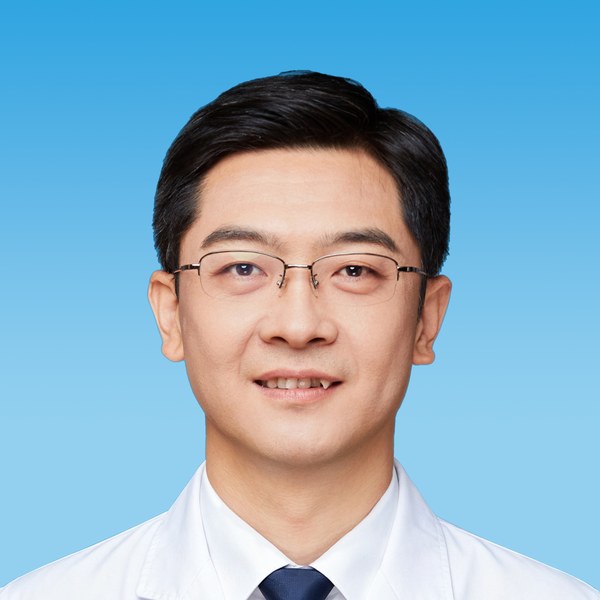

Tongchun Mao (毛彤春)
Deputy Director & Head of Aesthetic Surgery · Vice Chief Physician, Licensed Aesthetic Attending · Lead Physician of This Site
Persistent swelling after aesthetic surgery · separating oedema from fluid that has collected · excluding a clot before any other step
Dr. Tongchun Mao is an aesthetic surgeon at Chongqing West District Hospital, where he is Deputy Director and Head of Aesthetic Surgery in its Plastic Surgery & Aesthetics Medical Center and the responsible physician for this site. He personally performs more than 700 operations a year, within hospital standards of assessment, anaesthesia and follow-up.
On this site his part is the order in which persistent swelling is worked through. He establishes first whether the swelling is confined to one limb, because a limb that is swollen, warm and tender is a possible clot and is imaged before anything else is considered. He then separates ordinary oedema from fluid that has collected into a pocket, which he describes as a different problem with a different answer: oedema is followed, while a collection is drained rather than waited on. Only after those are excluded does he move to infection, to the drainage of lymph from the area, to medicines and to general medical causes. Where the area has simply healed slowly, he says so, and he sets a review date at which the direction of the swelling can be judged rather than the day. Where a revision turns out to be the right answer, he plans it once the swelling has resolved, because operating on a shape that is still changing means correcting a result he cannot yet see. He treats an operation as the last step rather than the first, and he says plainly when there is nothing an operation can change.
Clinical focus
The order is the treatment
Swelling that will not settle is answered by taking the findings in the right order rather than by a longer list of causes. A single swollen limb is excluded as a clot first, because that is the one finding where the delay itself does damage. Fluid that has collected is identified next, because it is drained rather than waited on. Everything after that is slow and can afford to be patient — and an operation, where it is needed at all, is planned at the end of that sequence rather than at the start of it.